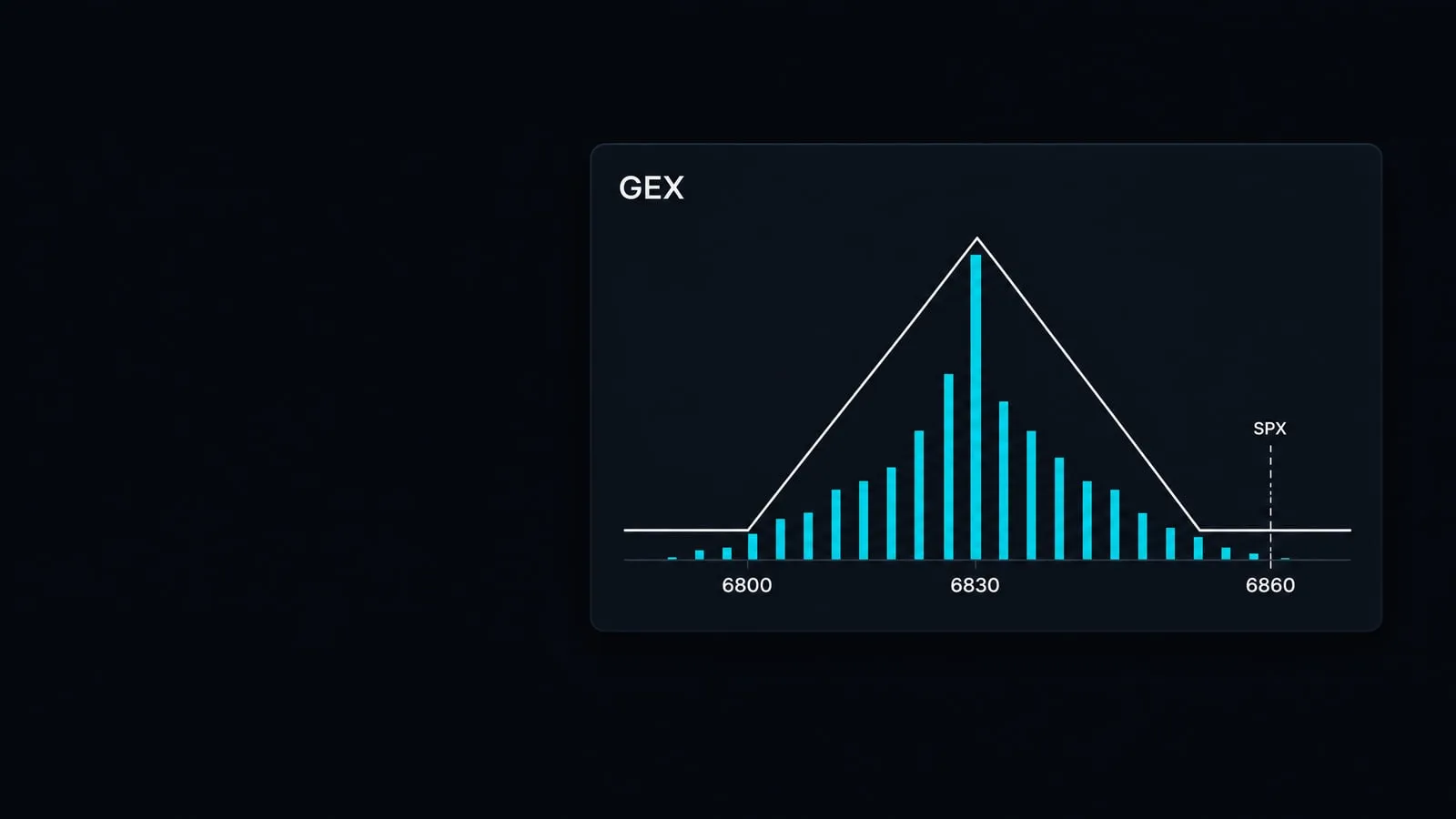
Gamma exposure (GEX) explained, and how to backtest it
What gamma exposure (GEX) measures, why traders watch gamma walls and pins, where the idea falls short, and how to backtest a GEX plan on StratVerra.
Xavi ·
What a simulation can prove, where it quietly misleads, and how to test a trading idea before risking capital.
What gamma exposure (GEX) measures, why traders watch gamma walls and pins, where the idea falls short, and how to backtest a GEX plan on StratVerra.
Xavi ·
7 parts
Learn what an options backtest can reveal, where simulations fall short, and which questions to ask before risking capital.
Learn how to define entry, contract selection, size, exits, and execution assumptions before backtesting an options strategy.

See how data frequency, option-chain history, missing quotes, and timing assumptions can change an options backtest.
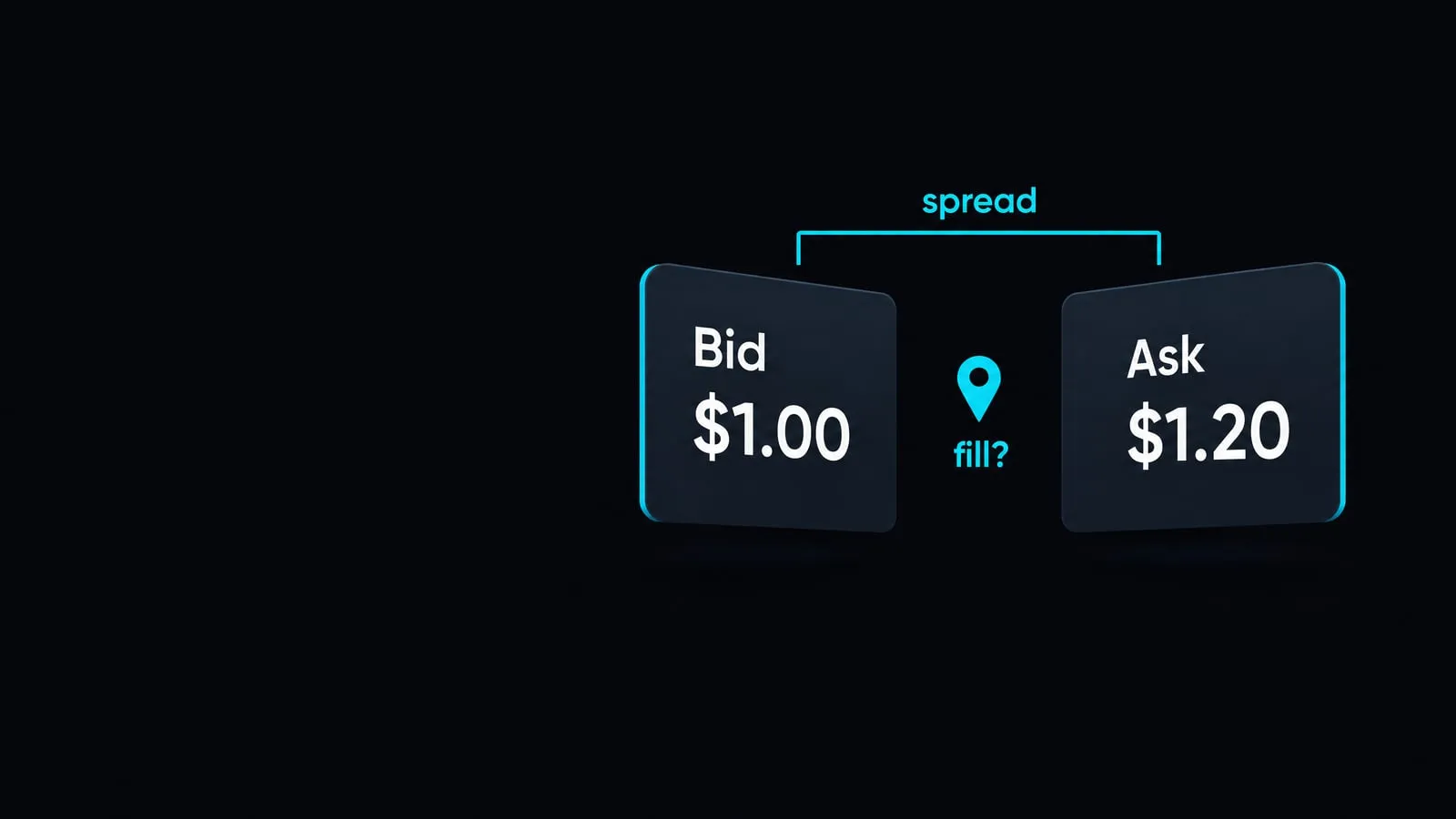
Learn why midpoint fills can flatter an options strategy and how to stress-test spreads, slippage, and commissions.
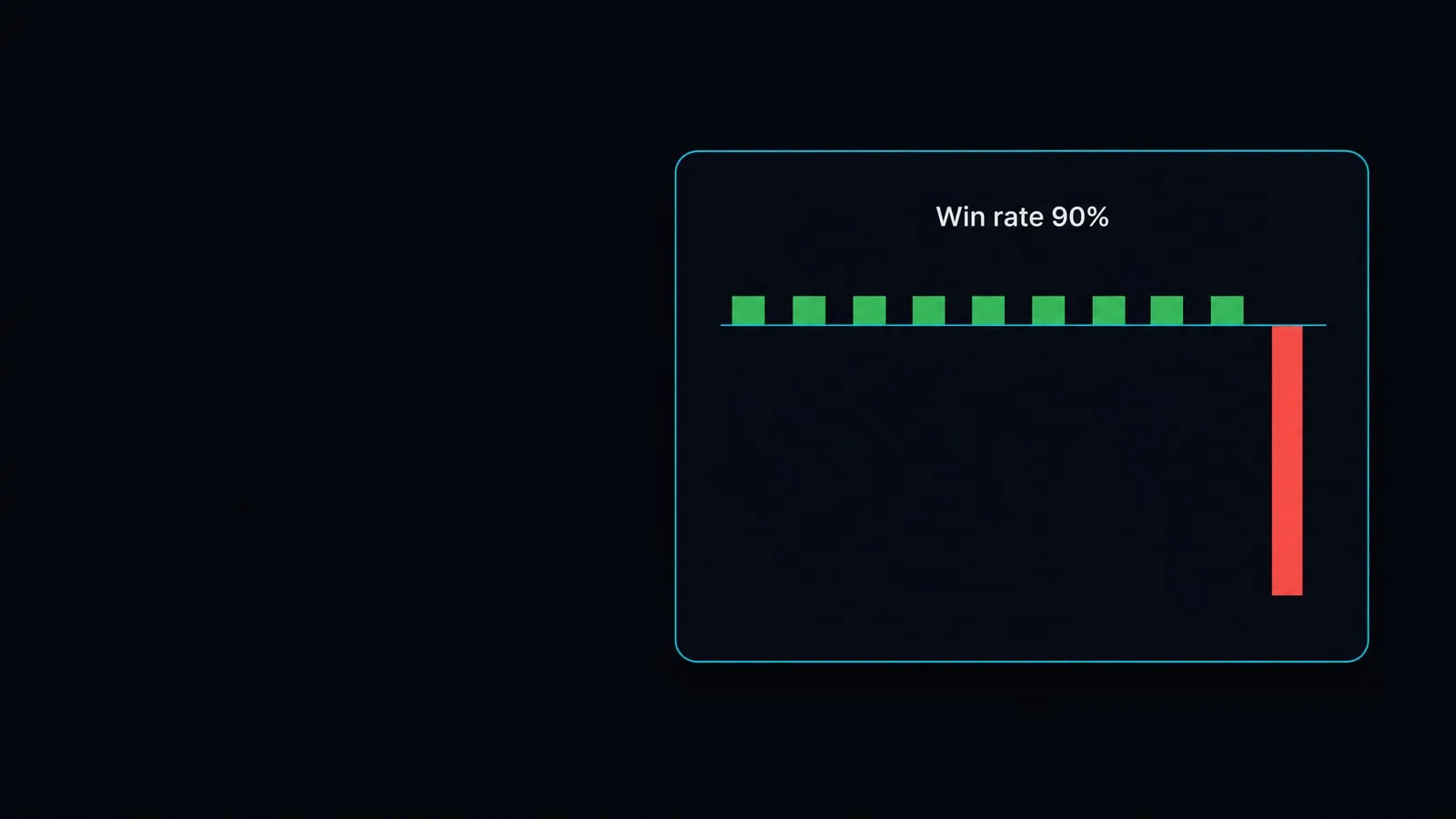
Go beyond total return and win rate. Learn how to inspect expectancy, drawdown, trade distribution, costs, and individual losses.
Learn how repeated tuning can fit market noise and how holdout periods, simple rules, and parameter checks improve a backtest.

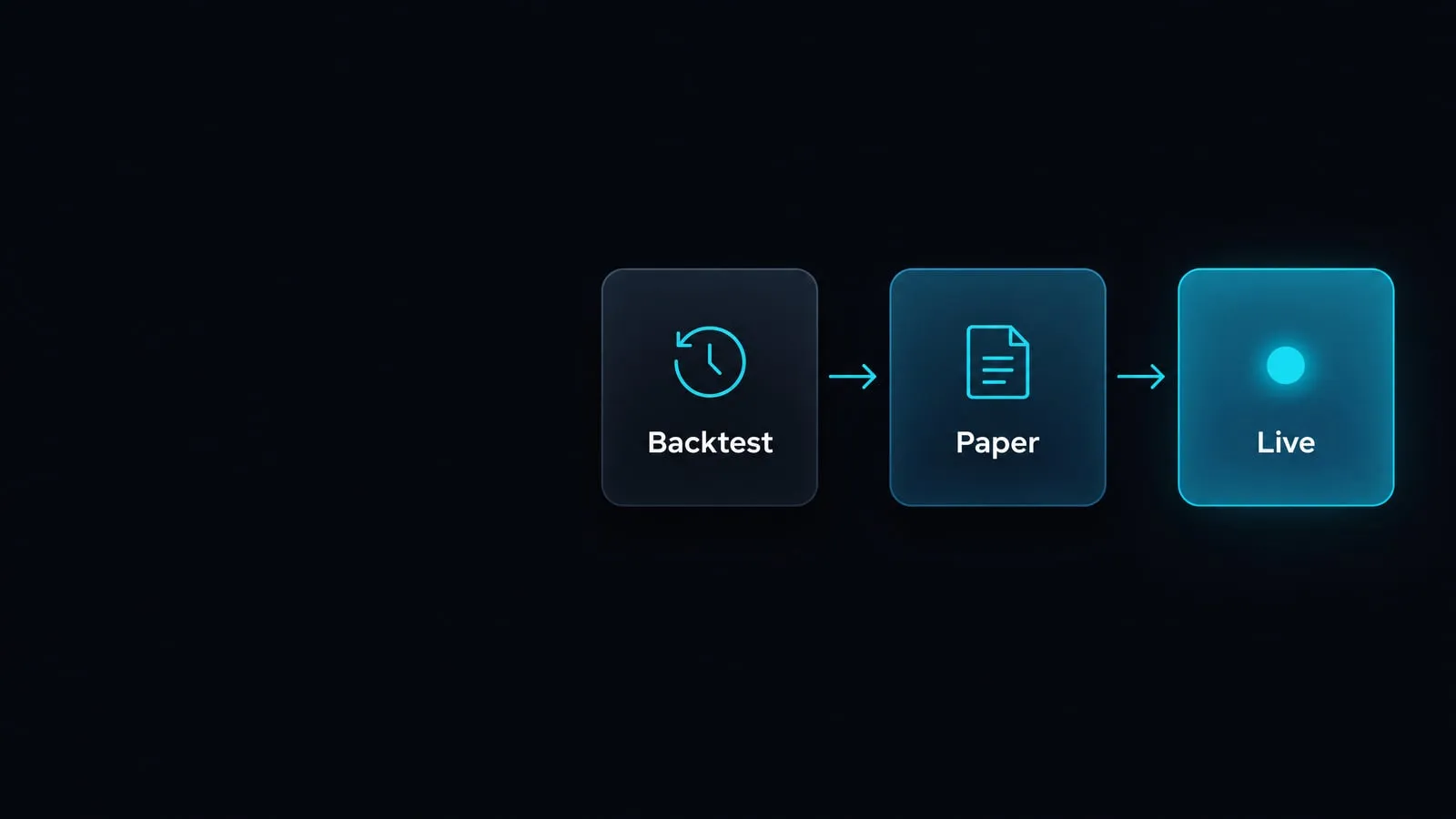
Use paper trading to test strategy behavior and broker workflow before making a separate decision about live risk.
StratVerra checks modeled margin before accepting backtest orders. See how capital constraints, rejected orders, and peak margin affect your results.
Xavi ·